Chemical Risk Communication
Rimkus human factors and warnings consultants answer complex questions related to the communication of chemical risk information in consumer, occupational, and community settings. We help our clients in proactive matters as well as in litigation settings (toxic torts). Our litigation consulting often includes a historical component, as damages claimed today can involve questions about risk communications dating back decades.
What types of questions do we help to answer?
Our experienced team helps answer technical questions relevant to when and whether risk information should be provided, by whom, and to which audiences. We also answer questions related to how information is presented and provided, drawing upon our extensive knowledge of relevant regulatory frameworks (e.g., OSHA HazCom, CPSC/FHSA, EPA/FIFRA, DOT, FDA, Proposition 65) and peer-reviewed warnings and human factors literature (including our own research) on how people respond to safety-related information.
Our consultants regularly teach and publish on these topics and participate in relevant professional organizations and standards development activities.



What are some of the products we have experience with?
- Industrial cleaning products
- Pesticides and herbicides
- Spray insulation
- Gasoline additives
- Vehicle maintenance and repair products
- Consumer cosmetics
- Household chemicals such as paints, stains, and drain openers
- Chemicals stored and processed in industrial plants
- Tobacco products
What are some of the substances we have experience with?
- Trace benzene
- Asbestos
- Vinyl chloride
- Isocyanates
- PFAS (PFOA/PFOS)
- Lead
- Silica
- MTBE
- Carbon monoxide (CO)
- Paraquat
- Nicotine/Tobacco
- Propane

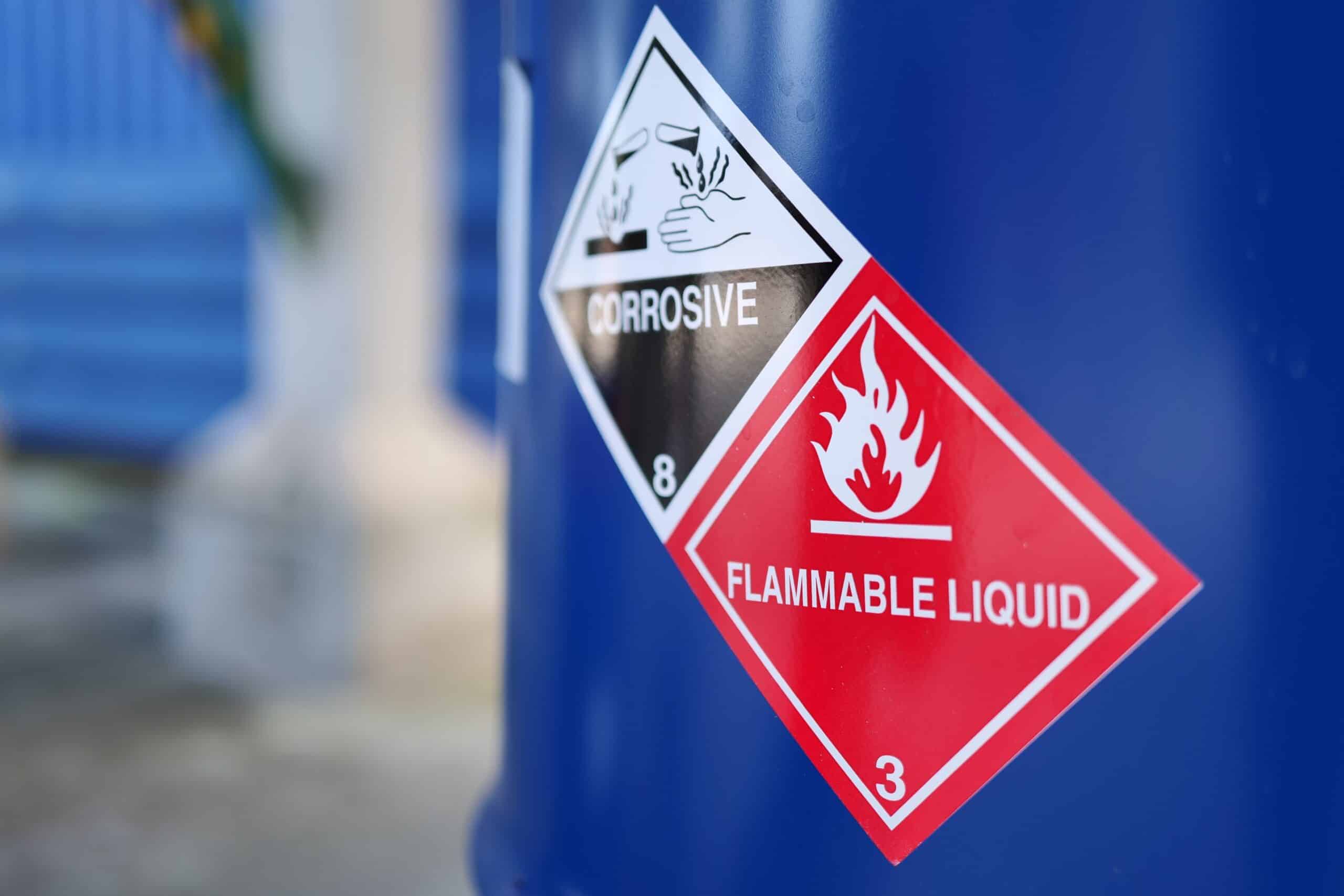
What types of chemical warnings allegations or hazards can we help to address?
- Carcinogenicity
- Respiratory damage and irritation
- Allergic reactions and sensitization
- Flammability, explosivity, and spontaneous combustion
- Skin irritation and corrosivity (burns)
- Eye damage and irritation
- Neurotoxicity
- Teratogenicity, mutagenicity, and reproductive harm
- Oral, inhalation, or dermal toxicity
- Specific target organ effects
Can we help in situations where there is a claim that warnings were not provided?
Yes! Our human factors and warnings consultants have experience with the development and evaluation of warnings and instructions for a variety of substances and products. We understand and can assess and explain decisions about whether, when, and how to communicate about potential hazards.
We can also explain the different roles a manufacturer, distributor, retailer, or employer can play in communications and/or supporting warnings compliance. In addition, human factors analysis can help answer hypothetical questions such as whether alternative or additional warnings would likely have made a difference.
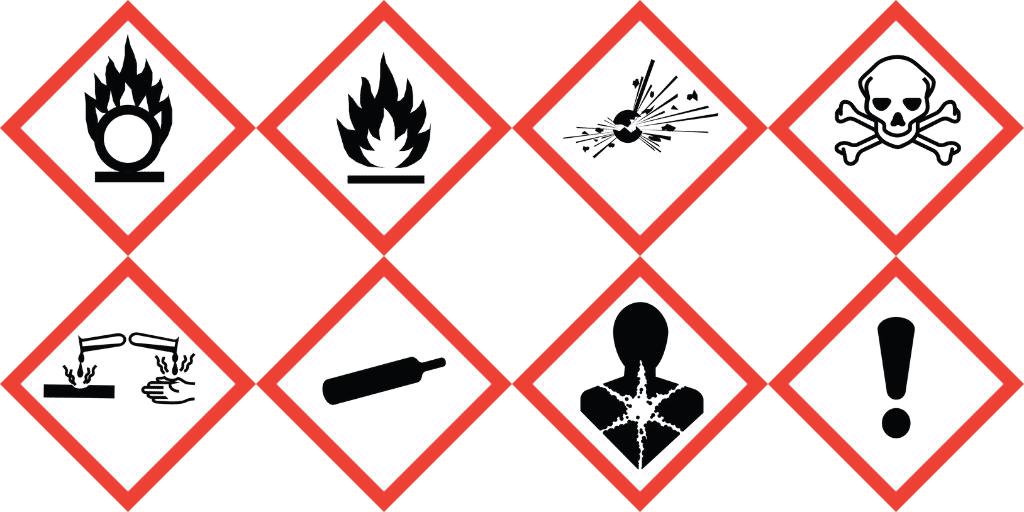

How is an expert in chemical hazard communication different than a toxicologist or industrial hygienist?
Toxicologists and industrial hygienists can help characterize and quantifiably estimate the risk of illness, disease, or exposure.
Chemical hazard communication experts use a human factors perspective to help explain how those risk estimates can impact decisions about warnings and other hazard and risk communications.
What types of regulations do we consider in our work?
Our team is well-versed in regulations that apply to chemical hazard communications in a variety of settings. Depending on the project, our analysis may involve consideration of the regulatory and legislative history surrounding these regulations, as well as related activities of other organizations and industry groups.
We regularly consider regulations from agencies such as:

Occupational Safety and Health Administration (OSHA)
- E.g., OSHA’s Hazard Communication Standard (29 CFR 1910.1200) as originally published and as revised under the Globally Harmonized System for the Classification and Labeling of Chemicals (GHS)
Consumer Product Safety Commission (CPSC)
- E.g., those under the Federal Hazardous Substances Act (FHSA) (16 CFR 1500)
Environmental Protection Agency (EPA)
- E.g., those under the Federal Insecticide, Fungicide, and Rodenticide Act (FIFRA)
Food and Drug Administration (FDA)
- Including those under the Food, Drug, and Cosmetic Act (FDCA)
Department of Transportation (DOT)
- E.g., Hazardous Materials Regulations
State of California Office of Environmental Health Hazard Assessment (OEHHA)
- E.g., those under California’s Safe Drinking Water and Toxic Enforcement Act of 1986 (Proposition 65)
Contact Us to Learn More
Visit our Human Factors practice page for a robust list of additional services we can provide.