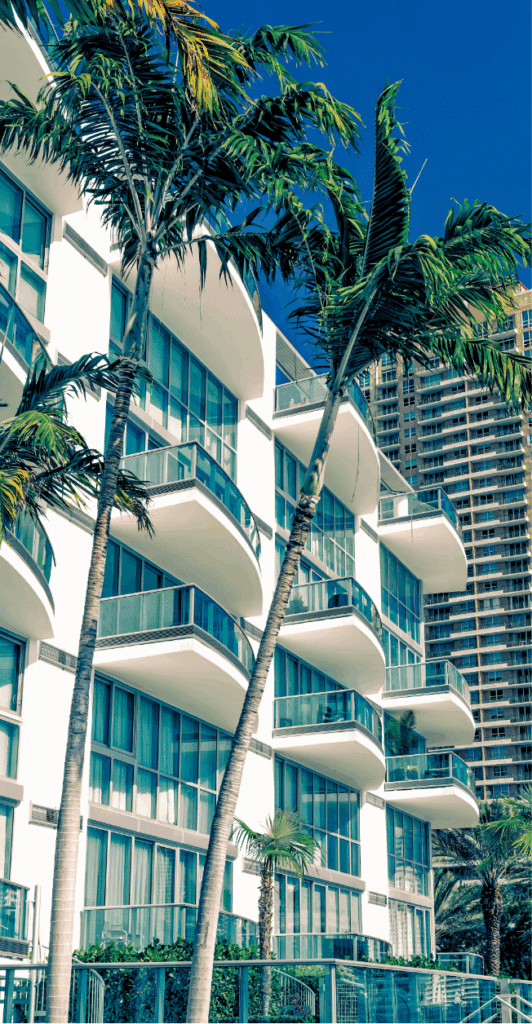

Rimkus provides a comprehensive range of consulting services, project planning, and management solutions tailored specifically to condominium developments and homeowner associations. We help boards and management teams make evidence-based choices about their buildings’ maintenance and repair needs, enabling them to maintain safe, comfortable, and code-compliant living spaces for residents.
Our consultants offer decades of expertise working on projects in Florida involving structural engineering, mechanical systems, and architectural design, and we leverage that experience to deliver innovative solutions for maintainable, resilient condo buildings.
Condominium Services
- Developer Transition Studies
- Property Condition Assessments
- Code Compliance Review
- Energy Audits
- Construction Administration Services
- Statutory Building Inspections
- Capital Reserve Studies
- Reserve Fund Studies
- Catastrophe and Storm Damage Response
- Emergency Preparedness Planning
- Environmental Assessments
- Mechanical and Electrical System Engineering and Design
- Restoration and Repair Consulting
- Roof Consulting
- Structural Engineering and Design
- Plumbing and Life Safety System Engineering and Design
Learn more about our full suite of services for condominiums: Condominium Consulting Services
Senate Bill 154 (and Senate Bill 4-D prior)
Florida Senate Bill 154 and Senate Bill 4-D require condominium and cooperative associations to conduct Structural Milestone Inspections and Structural Integrity Reserve Studies to ensure that condo and co-op buildings are structurally safe and adequately funded for future structural repairs/replacements. This regulation is applicable for buildings three stories or higher.
Structural Milestone Inspection (SMI)
A visual inspection of a building for the purpose of attesting to the life safety and adequacy of the structural components and the building’s general structural condition as it affects the safety of such building including a determination of any maintenance, repair, and replacement of any structural components of the building.
Structural Integrity Reserve Study (SIRS)
A visual and financial evaluation of the critical common/limited common components for the purpose of determining the reserve funding required for major repairs/replacements. Components shall include the following at a minimum as it relates to the structural integrity and safety of the building:
- Roof
- Structure
- Fireproofing and fire protection systems
- Plumbing
- Electrical systems
- Waterproofing and exterior painting
- Windows and exterior doors (common areas)
- Any other item that has a deferred maintenance expense or replacement cost that exceeds $10,000 and whose failure to maintain such items negatively affects the components above
Florida’s HB 913 (House Bill 913)
Florida’s HB 913 (House Bill 913) modernizes building safety requirements for condominium and cooperative associations (formerly addressed under Senate Bill 4-D) to help maintain structurally sound and financially prepared buildings for future repairs and replacements. The legislation strengthens the Structural Milestone Inspection (SMI) and Structural Integrity Reserve Study (SIRS) processes, both aimed at promoting long-term building performance while protecting residents’ interests.
External Resources
Deadline and Frequency
- SMI enforcement began July 1, 2024
- Initial SMI due December 31, 2024 or 2025 depending on building age
- Subsequent SMIs required every 10 years
- Phase 2 SMI report due within 180 days of Phase 1 submission
- Repairs must begin within 365 days after Phase 2 report
- SIRS first due December 31, 2025
- Budgets must reflect SIRS findings starting January 1, 2026
- SIRS required every 10 years thereafter
Inspection Requirements and Key Changes
- Applies to condominium and cooperative buildings three or more habitable stories
- SMI now mandatory for qualifying buildings
- Phase 2 inspections required if structural deterioration is identified
- SIRS must be completed by a licensed engineer, architect, or reserve specialist
- SIRS funding can no longer be waived or underfunded after January 1, 2026
- SIRS may be deferred for two budget years following a milestone inspection to prioritize repair costs
Learn More About Our SB 4-D/154 and HB 913 Compliance Services
Florida’s HB 1021 (House Bill 1021)
There have been significant updates to the laws governing condominium associations with the introduction of Florida’s HB 1021 (House Bill 1021), which is primarily aimed at enhancing accountability and transparency in the wake of previous management failures and safety concerns.
The legislation took effect on July 1, 2024, and focuses on strengthening the management of condominiums and co-op buildings to help ensure they are structurally safe and adequately funded for future repairs and replacements while protecting residents’ interests.
External Resources:
Deadline and Frequency:
- Official Records Maintenance and Access, effective July 1, 2024
- Website Requirement for Associations, effective January 1, 2026
- Director Education Requirements, effective July 1, 2024
- Community Association Managers (CAMs), effective July 1, 2024
- Milestone Inspections, effective July 1, 2024
- Financial Reporting and Reserves, effective July 1, 2024
Inspection Requirements:
- Regular Meetings: Condominium boards must meet at least quarterly, with member inquiries on financials and projects included in the agenda.
- Board Education: Board members must complete four hours of training on financial literacy and legal compliance to be certified.
- Financial Transparency: Associations must maintain clear financial records and follow new competitive bidding rules for contracts exceeding $2,500. They cannot reduce the type of financial statement year-over-year.
- Hurricane Protection: Clear requirements for installing shutters or impact-resistant windows for hurricane protection are now mandated.
- Criminal Penalties: The bill imposes penalties for mismanagement, including kickbacks and fraud, which could lead to removal and criminal charges.
- Record Posting: Starting in 2026, associations with 25+ units must post certain records online for improved transparency and accessibility.
Want to Learn More About How Rimkus Can Help With HB 1021 Compliance Needs?