

Texas Building Safety Regulations at a Glance
|
Regulation |
Applies To |
Cycle |
Key Deadline / Trigger |
Penalty |
|---|---|---|---|---|
|
Substandard Buildings (Tex. Local Gov’t Code §214.001) |
All buildings in incorporated municipalities |
Ongoing code enforcement |
Ongoing, triggered by complaint or inspection |
Up to $2,000/day (fire safety/structural); liens; court-ordered demolition |
|
General Municipal Building Code Violations (Tex. Local Gov’t Code §54.001) |
All buildings |
Ongoing |
Ongoing |
Up to $500/day general; up to $2,000/day for fire safety, zoning, public health |
|
TDLR Elevator & Escalator Safety |
All elevators, escalators, and related equipment statewide |
Periodic inspection per TDLR schedule |
Per TDLR inspection calendar |
Fines; out-of-service orders; certificate suspension |
|
Texas Accessibility Standards (TAS), TDLR Architectural Barriers Program |
All buildings constructed or altered for public use |
At construction / renovation |
At permit / certificate of occupancy |
Project holds; code enforcement fines; TDLR civil penalties |
|
IPMC / Property Maintenance Code (locally adopted) |
Existing residential and commercial buildings in municipalities that adopt the IPMC |
Ongoing maintenance |
Continuous; triggered by complaint or inspection |
Municipal fines; liens; vacate or demolition orders for substandard conditions |
Is Your Building Compliant with Texas Regulations?
Schedule a Milestone Inspection Consultation
Reach out to Rimkus to connect with licensed engineers who can provide expert guidance on maintaining compliance with necessary codes and standards.
Key Texas Building Safety Deadlines and Requirements
Coastal properties in 14 First-Tier Gulf Coast counties
- Windstorm inspection (WPI-8) required before any new construction, addition, repair, or re-roof to qualify for TWIA coverage
New code effective April 1, 2026
- WPI-1 applications must comply with 2024 IRC / 2024 IBC standards
Substandard building fines
- Up to $2,000/day under Local Government Code §214.001 (fire safety/structural violations)
No WPI-8 Certificate of Compliance
- Property ineligible for TWIA wind and hail insurance coverage
International Property Maintenance Code Compliance in Texas
What is the International Property Maintenance Code?
The International Property Maintenance Code (IPMC) sets minimum standards for maintaining existing residential and commercial buildings. It addresses structural integrity, exterior property conditions, mechanical, electrical, and plumbing systems, fire and life safety, sanitation, and habitability. For owners and managers, IPMC compliance is not a one-time event; it is an ongoing obligation tied to building stewardship, operational planning, and risk management.
How is IPMC Applied in Texas?
Texas does not have a single statewide property maintenance mandate. Municipalities adopt, amend, and enforce property maintenance requirements through local ordinances and code programs, so expectations vary by city, asset type, enforcement priority, and code cycle. Depending on the jurisdiction, requirements may be based on an adopted IPMC edition, a locally amended version of the code, or a municipal property standards program. For owners with properties in more than one Texas market, an approach that satisfies one city may not fully address another.
Key IPMC Compliance Areas
Property maintenance reviews typically focus on the building systems and conditions where problems most often lead to citations, emergency repairs, or capital surprises:
Structural integrity
Foundations, load-bearing elements, floors, roofs, balconies, stairs, and parking structures
Mechanical, electrical, and plumbing systems
Heating, cooling, ventilation, electrical panels and wiring, plumbing, domestic water, and drainage
Building envelope and roof systems
Facades, roofs, windows, doors, waterproofing, and drainage
Fire safety, egress, and life safety
Egress paths, alarms, fire separations, doors, and access
Habitable spaces
Light, ventilation, and indoor conditions
Exterior property conditions
Vegetation, debris, grading, sidewalks, and site access

Why IPMC Compliance Matters
- Financial risk: citations, fines, emergency repairs, and unplanned capital outlays can quickly disrupt budgets and operations.
- Asset performance: deferred maintenance can reduce NOI and weaken financing, insurance, and long-term value outcomes.
- Liability exposure: unsafe or substandard conditions create legal exposure, particularly in occupied and rental properties.
- Tenant impact: habitability, safety, comfort, and responsiveness directly influence tenant satisfaction and retention.
The Rimkus Built Environment Solutions (BES) team provides IPMC and local code gap assessments, facility condition assessments, and capital planning support to help Texas owners move from reactive compliance to proactive asset management.
Contact us to schedule an IPMC compliance assessment today.
Penalties for Non-Compliance in Texas
- No TWIA coverage: Without a valid WPI-8 Certificate of Compliance, the property is considered uninsurable through TWIA for wind and hail damage, leaving owners fully exposed during hurricane events.
- Substandard building fines: Municipalities may impose fines up to $2,000 per day per violation for fire safety and structural code violations under Local Government Code §54.001; each day a violation continues constitutes a separate offense.
- Property liens: Unpaid fines and municipal abatement costs are recorded as liens against the property, subordinate only to tax liens and prior mortgage liens.
- Court-ordered demolition: Under Local Government Code §214.001, municipalities may seek judicial orders requiring the owner to repair, secure, or demolish a substandard building.
- Occupancy restrictions: Buildings found to be unsafe or substandard can be ordered vacated, with occupants relocated at the owner’s expense.
- TDLR enforcement: Elevator, accessibility, and industrialized building violations may result in TDLR administrative penalties, operating certificate suspension, or out-of-service orders.
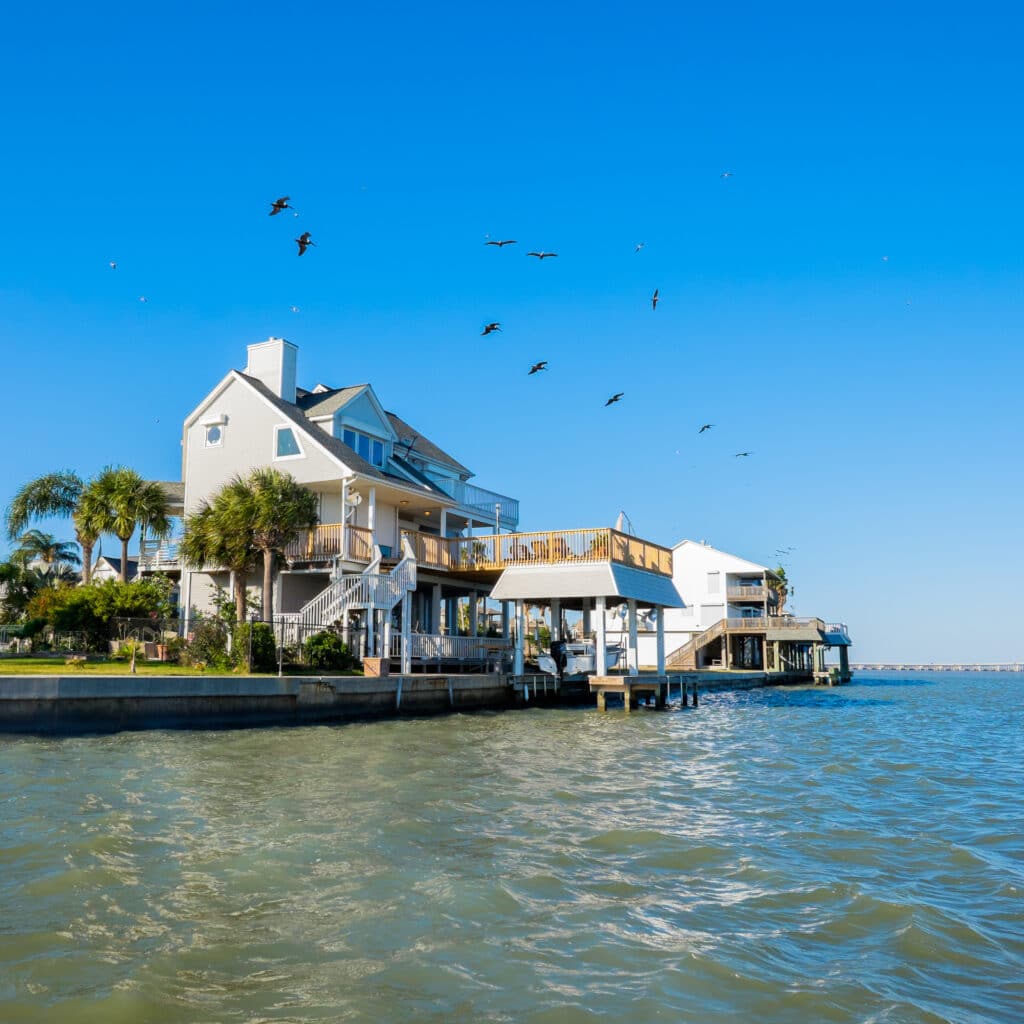
Don’t Risk Losing Your TWIA Coverage
Coastal properties in 14 First-Tier Gulf Coast counties
Texas coastal property owners who build, repair, or renovate without a valid WPI-8 Certificate of Compliance risk losing all TWIA wind and hail coverage. Rimkus TDI-appointed engineers provide windstorm inspections, structural assessments, and complete compliance documentation across Texas Gulf Coast counties.
Frequently Asked Questions
Need Help? Contact Rimkus
Texas coastal property owners face real financial exposure without valid windstorm certification. Rimkus’ licensed engineers provide WPI-8 windstorm inspections, structural assessments, and full compliance documentation for TWIA eligibility. For inland properties, our team delivers property condition assessments and building code evaluations to help owners stay ahead of municipal enforcement.
Schedule a Consultation
- Phone: +1 941 727 2600
- Toll free: +1 800 580 3228
- Email: [email protected]
Office Address
10405 Technology Terrace
Lakewood Ranch, Florida 34211, United States
Meet our Texas Team
Additional Insights on Texas Regulations
Related Rimkus Case Studies
- Structural Assessment of a Pre-Cast Parking Garage with Active Corrosion and Spalling
- Turning Water Leaks Into a Long-Term Asset Protection Plan: A Parking Garage Structural Assessment
- From Water Intrusion to a Portfolio-Wide Protection Plan: Dual Parking Garage Structural Assessment
- Third-Party Building Enclosure Design Review for a New K-12 Facility
- Building on Trust: Third-Party Building Enclosure Review for Phase 2 of a Growing K-12 Campus