

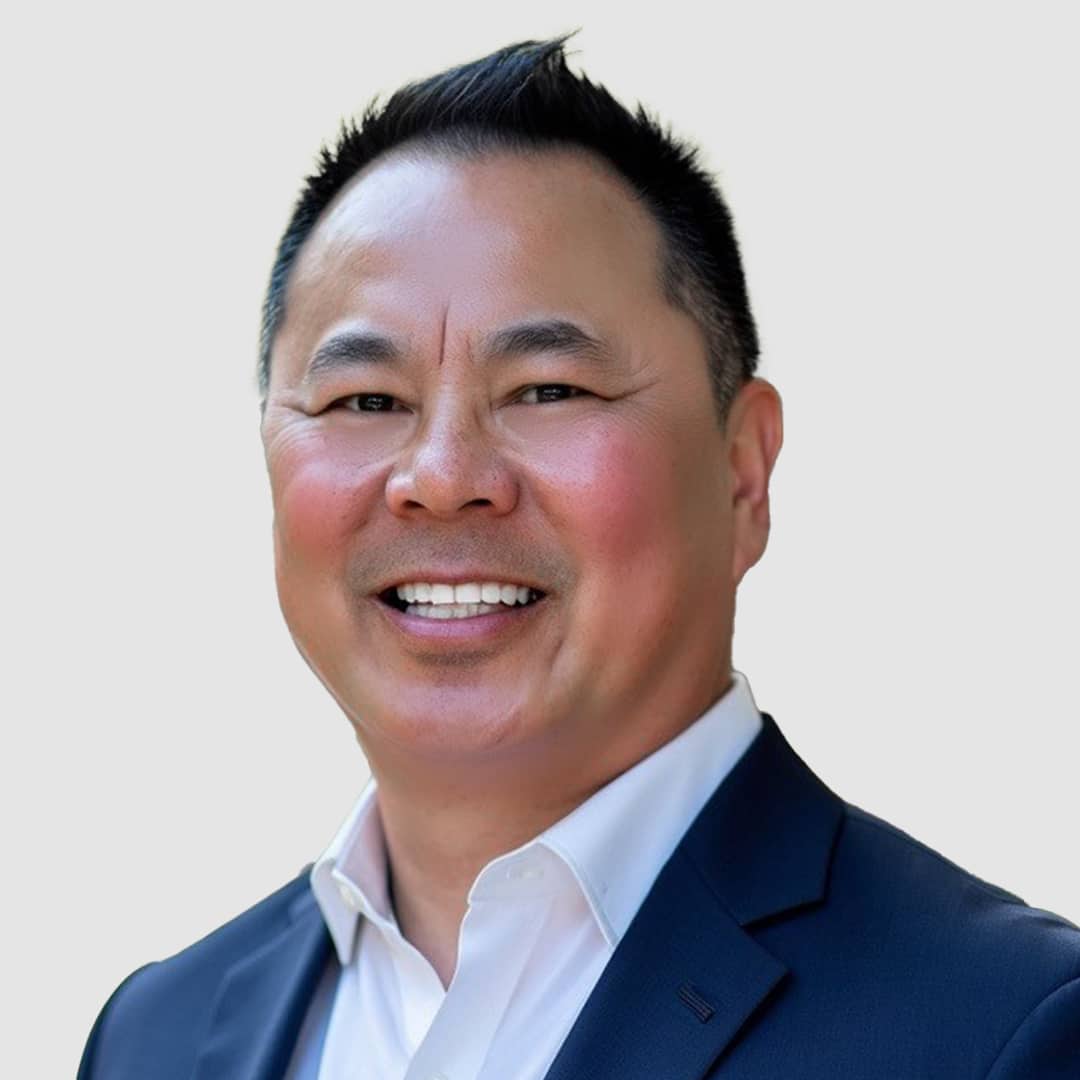
Ben D. Dizon, P.E., S.E.
Practice Leader, Structural Engineering
SERVICES GROUP
Get to know the expert
Expert QuestionS & AnswerS
After 34 years working in masonry, what’s the most common issue you see that building owners tend to catch too late?
As a structural engineer, one of the most common problems building owners catch too late is water-related structural deterioration. This usually starts small and looks like a maintenance issue, but over time it can become a serious structural problem.
After 34 years in structural engineering services, what’s a recurring finding in your investigations that most people in the industry don’t expect?
The building often does not match the drawings — sometimes in important structural ways. People assume the original plans, as-builts, or permit drawings accurately represent what is actually in the building. In investigations, that assumption is often wrong. Common reasons: Undocumented field changes, untracked changes,
Seismic assessment and retrofit design require balancing safety with cost — how do you help building owners understand their risk and prioritize structural improvements?
Seismic assessments are rarely a simple “pass/fail” conversation. A building can have multiple vulnerabilities, each with different implications for life safety, repair cost, downtime, and long-term value. The key is translating engineering findings into owner-level decisions. Before recommending retrofit work, try to understand what the owner is trying to protect. A seismic assessment usually focuses on the building’s most important vulnerabilities, not every theoretical deficiency.
What’s one piece of advice you find yourself giving clients over and over again?
If something looks different, moves, leaks, cracks, rusts, or sags — document it and ask early.
Early questions are inexpensive. Late discoveries are expensive. Do not wait until a structural concern becomes obvious. By the time a building owner can clearly see a problem — large cracks, sagging floors, water damage, rust, movement, or settlement — the issue has often been developing for a long time. Treat structural maintenance like preventive healthcare for the building.
Background
Ben D. Dizon, P.E., S.E., is a seasoned structural engineer with over 34 years of experience in the evaluation, design, and investigation of buildings and infrastructure. He holds a Bachelor of Science in Civil Engineering from the University of California, Davis, and is a licensed Structural and Professional Engineer in California, Colorado, Hawaii, Illinois, Nevada, and Oregon.
Mr. Dizon’s career has centered on the structural analysis and design of buildings in high seismic zones, with a focus on risk assessment, hazard mitigation, and structural vulnerability evaluation. His work spans both new construction and the retrofitting of existing structures, with an emphasis on seismic resilience and life-safety performance. He brings a deep understanding of innovative seismic design strategies that protect the public and critical infrastructure from natural and man-made shocks.
He entered the profession in the aftermath of the 1989 Loma Prieta Earthquake, which catalyzed his commitment to structural safety. Early in his career, he worked hands-on in the most impacted areas of San Francisco and later contributed to post-disaster assessments and retrofits following the 1994 Northridge Earthquake. His work included seismic retrofits mandated by San Francisco Ordinance No. 225-92, targeting unreinforced masonry (URM) buildings, many of which he helped bring into compliance.
For the next two decades, Mr. Dizon built his expertise in the Sacramento region, designing projects throughout California and across the U.S. His portfolio shifted toward large-scale greenfield developments, including commercial, office, retail, and industrial warehouse facilities, offering full-scope structural solutions unbound by legacy infrastructure.
Mr. Dizon’s technical capabilities and leadership earned him partnership and the role of Director of Structural Engineering at GBDH Design Group, Inc., where he established long-term relationships with developers, contractors, and architects. His collaborative, team-oriented leadership style positioned him as a trusted partner on complex and high-profile projects.
In time, Mr. Dizon founded his structural engineering firm, further expanding his project portfolio. For a decade, he led a high-performing team known for technical excellence, trust, and shared values, an experience that honed his leadership and business acumen.
Motivated by a longstanding desire to serve in the military, Mr. Dizon joined the U.S. Army Corps of Engineers (USACE), where he served for 3 years. As Engineering Technical Lead, he oversaw construction of the Portugues Dam in Puerto Rico, a USACE-designated “Mega Project” valued at $375 million. He was later appointed Section Chief of the Joint Federal Project (JFP) Engineering Support Unit during the construction of the $900 million Folsom Dam Spillway. In both roles, he led interdisciplinary teams and provided engineering oversight for some of the most complex civil works projects in the country.
Upon completing his federal service, Mr. Dizon returned to private practice as Department Manager and Senior Structural Engineer at BW Design Group. He led the Sacramento office’s structural team and delivered design solutions for clients, including E&J Gallo, Intel, Coca-Cola, Pepsi, Clorox, and Anheuser Busch. His work included new construction, infrastructure upgrades, and facility improvements across a broad spectrum of industrial and manufacturing environments.
Education and Certifications
- Civil Engineering, B.S.: University of California, Davis (1991)
- Licensed Professional Structural Engineer: California (S4445), Hawaii (21858-S), Illinois (081-009294), Nevada (SE-026295), and Oregon (74870SE)
- Licensed Professional Civil Engineer: California (C53199), Colorado (PE-0055330), and Oregon (74870PE)
- OSHA 10 Certified
- Urban Search & Rescue Structural Specialist: US Army Corps of Engineers (2013-2015)
Contact Information
Testimony Experience
- Depositions
- Mediations