

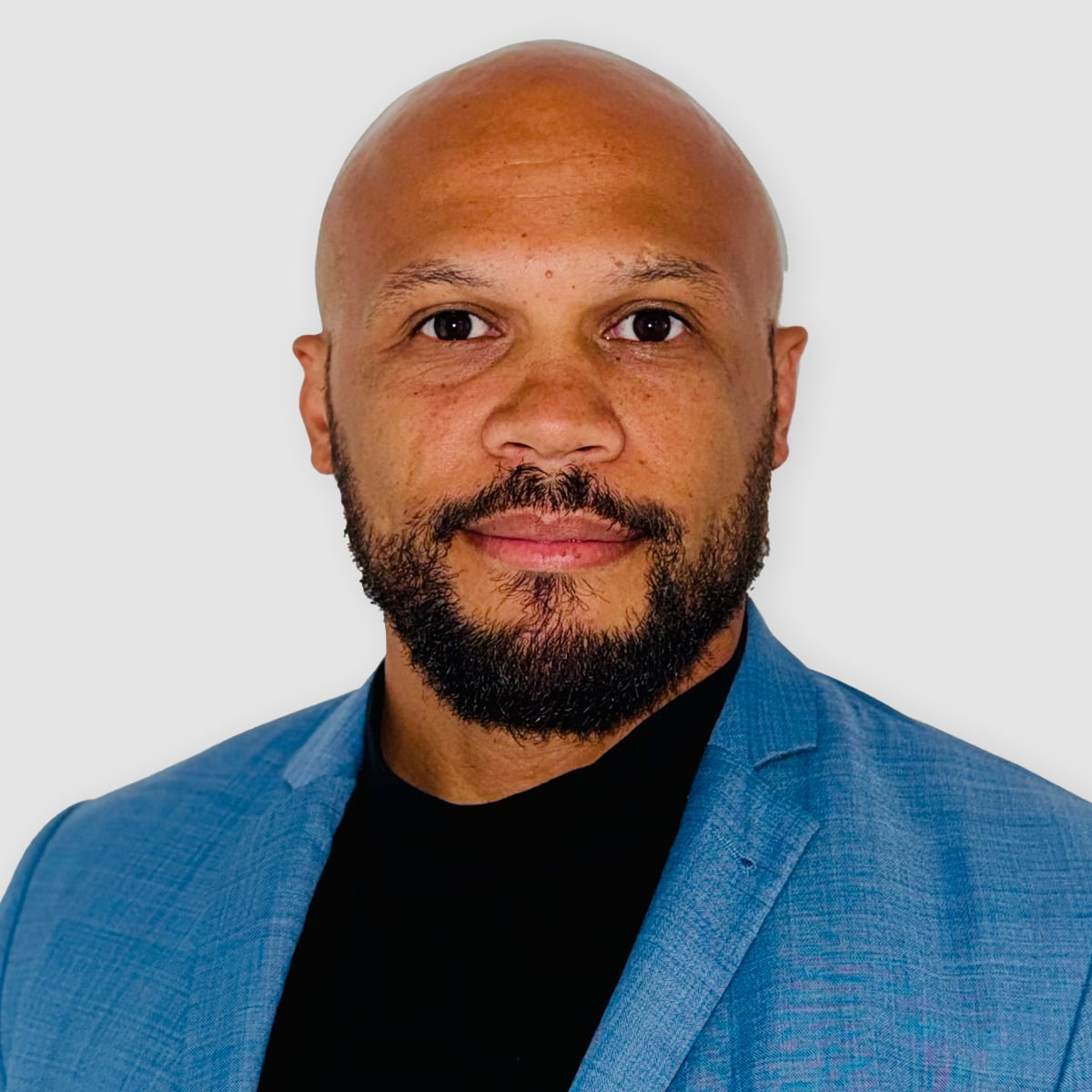
Adam King, EUR ING, MSc, CEng, TechIOSH, MIAAI
Associate Director, Forensic Engineering, Marine, Fire & Explosion Investigations
SERVICES GROUP
LOCATION
Get to know the expert
Expert QuestionS & AnswerS
In your experience, what is the most common misunderstanding people have about determining the root cause of a major engineering failure?
Many people assume that finding the failed component or part automatically identifies the root cause. In practice the failed part is often the final obvious link in a longer chain of causal events. For example, the machinery breakdown, fire, or marine vessel incident is the visible outcome, but the investigation needs to establish why the failure or incident was able to occur in the first place. Equipment failure can be the culmination of a series of events rather than one random incident.
Fires often attract significant media attention and speculation. What is the biggest misconception you encounter when investigating vessel fires?
One of the biggest misconceptions is that the cause of a fire can be determined from photographs, social media commentary, or the initial reports published shortly after the event. Fires are some of the most complex investigations I undertake. By the time investigators gain access, the scene may have been exposed to suppression activities, structural damage, salvage operations, weather conditions, and prolonged burning. What appears obvious can change once the scene is examined.
You have investigated incidents across marine, industrial, energy, and workplace environments. What makes a forensic engineering investigation truly effective?
Keeping an open mind. It is very easy to become attached to an early theory, particularly when there is pressure from stakeholders to identify a cause quickly. However, good forensic engineering requires testing hypotheses against the evidence rather than looking for evidence that supports a predetermined conclusion. I also believe first-hand experience matters. That practical understanding often helps identify issues that may not be immediately obvious to those without industry experience.
What is the most interesting case you have worked on?
A large marine fire where multiple potential ignition sources were being considered by different parties. The investigation involved extensive evidence review, joint inspections, and destructive examination of several components. The initial assumptions surrounding the cause changed significantly as more evidence became available. The investigation required collaboration between engineers, fire investigators, marine specialists, and legal teams across multiple jurisdictions.
What is one piece of advice you use most often?
Pick up the phone or email as early as possible. My advice is simple, seek technical guidance early. Even if an expert is ultimately not required, early engagement gives clients the best opportunity to protect their position and make informed decisions. In some cases, that early advice may be all that is needed to resolve a matter quickly and proportionately, avoiding the need for a more extensive investigation at a later and considerably more costly stage.
Background
Adam is a Chartered Mechanical Engineer and forensic engineering expert with over two decades of experience across engineering, technical operations, mechanical maintenance, and forensic investigations. He specialises in marine vessel fires, explosion events, and complex mechanical system failures across the transportation, energy, and industrial sectors.
Specialising in forensic engineering investigations, Adam provides independent technical opinion and CPR Part 35-compliant expert witness services in matters involving marine casualties, fire and explosion incidents, mechanical and engineering failures, industrial accidents, equipment breakdowns, workplace incidents and complex loss events. He is regularly instructed by insurers, loss adjusters, solicitors, corporate clients and other stakeholders to determine origin, cause, failure mechanisms, regulatory compliance, liability and contributory factors in high-value and technically complex claims.
His investigative experience includes marine vessel fires, mechanical and propulsion failures, workplace incidents, and large-scale industrial and energy system failures. He has led investigations both in the United Kingdom and internationally, undertaking joint expert inspections and destructive examinations to deliver clear, defensible, and evidence-based conclusions that support litigation, subrogation, and liability resolution.
Throughout his forensic career, Adam has investigated incidents in the United Kingdom, Europe, the Middle East, and other international jurisdictions involving marine vessels, industrial facilities, power generation assets, biomass and CHP systems, pressure systems, commercial premises, residential properties, transport infrastructure, and heavy engineering equipment. His experience includes multi-party investigations, joint expert inspections, destructive examinations, and detailed review of technical, operational and maintenance records.
Adam has extensive experience preparing clear, independent and defensible technical reports for litigation, arbitration, subrogation, recovery actions, liability disputes and insurance claims. He is recognised for his ability to translate complex engineering and forensic evidence into balanced and technically robust conclusions that support commercial decision-making and legal proceedings.
Prior to entering forensic consultancy, Adam served for more than a decade in HM Forces, where he managed engineering operations, maintenance programmes, equipment readiness, statutory compliance activities, technical personnel and operational support functions in demanding environments worldwide.
Adam is a recognised Chartered Engineer by the UK Engineering Council and European Engineer by Engineers Europe (formerly FEANI). He is also a Technical Member (Tech IOSH) of the Institution of Occupational Safety and Health and a member of the International Association of Arson Investigators (IAAI), the International Association of Marine Investigators (IAMI), and the UK Association of Fire Investigators (UK-AFI), demonstrating his commitment to professional excellence and continual development in the fields of engineering, fire investigation, marine investigation, and occupational safety.
Education and Certifications
- Professional Engineering, MSc: University of Aston (2023)
- Higher National Diploma, Mechanical Engineering, HND: University of Teesside (2019)
- SEMTA Advanced Level Apprenticeship in Engineering Manufacture: British Army (2014)
- EAL Level 3, NVQ Extended Diploma in Engineering Maintenance (Mechanical): British Army (2014)
- EAL Level 3, Certificate in Engineering Maintenance: British Army (2014)
- City & Guilds Level 3 Diploma in Engineering: British Army (2014)
- SEMTA Apprenticeship in Engineering: British Army (2008)
Associations and Memberships
- Member: European Engineer (EUR ING), Engineers Europe, FEANI
- Member: Chartered Engineer (CEng), Institute of Engineering and Technology
- Member: Technical Member (Tech IOSH), Institute of Occupational Safety and Health
- Member: International Association of Arson Investigators (IAAI)
- Member: International Association of Marine Investigators (IAMI)
- Member: UK Association of Fire Investigators (UK-AFI)