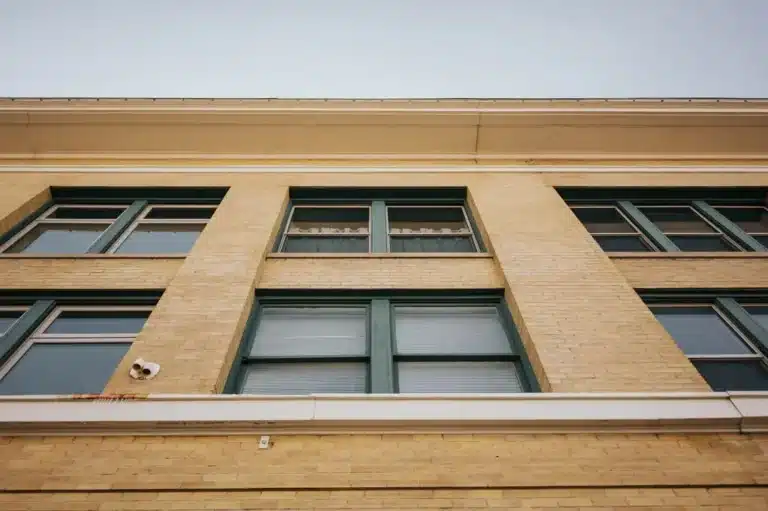
Under the 2025 NYC Energy Conservation Code, full window replacement is treated as an alteration that must meet current fenestration thresholds, while glass-only work follows repair provisions. This guide covers degradation signs, costs, code paths, and component choices for commercial projects.
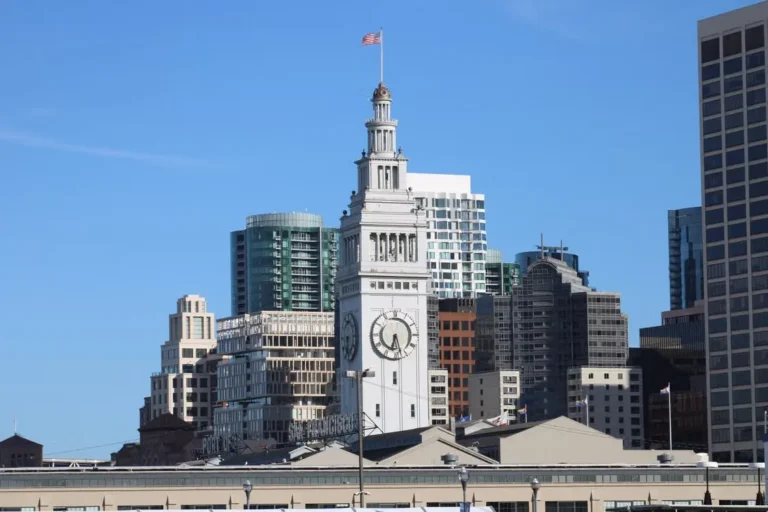
California commercial buildings over 50,000 square feet must report energy use annually by June 1 under AB 802, while Title 24 applies when a building permit is pulled. This guide covers state benchmarking, the 2025 Energy Code, CALGreen, and local rules in Los Angeles, San Francisco, and Berkeley.
Climate resilience planning helps commercial property owners assess hazard exposure, document building conditions, and prioritize capital needs before risks escalate.
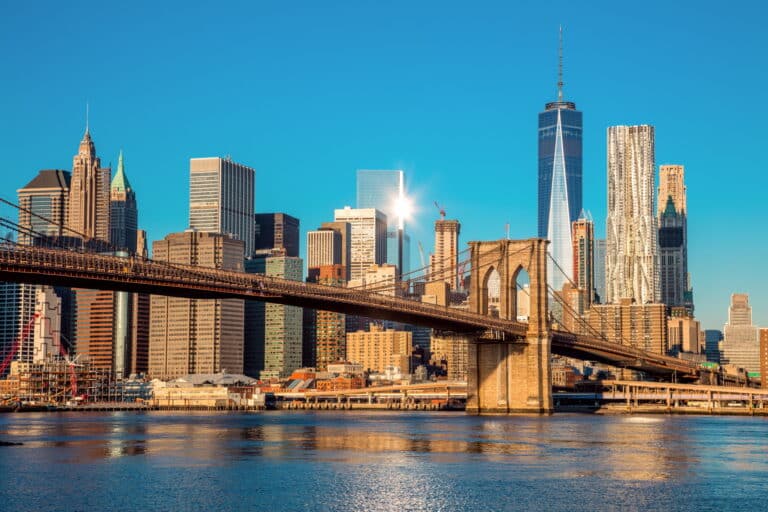
In New York City, the pressure to create housing and revitalize aging commercial stock has made one strategy increasingly attractive: building up. Vertical additions, sometimes…
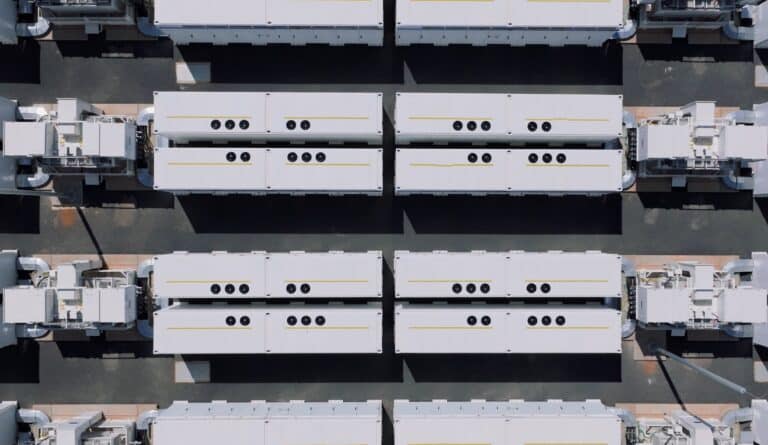
Battery energy storage systems (BESS) deployed in seismically active regions face two primary risks: No single standard governs BESS seismic performance. Instead, safe deployment draws…
Smoke control systems keep exit routes survivable during fires. Learn how they work, when they’re required, and what compliance obligations building owners face.
Learn how structural, envelope, fire, and MEP risks connect in commercial buildings and how condition assessments support safer, better-managed properties.