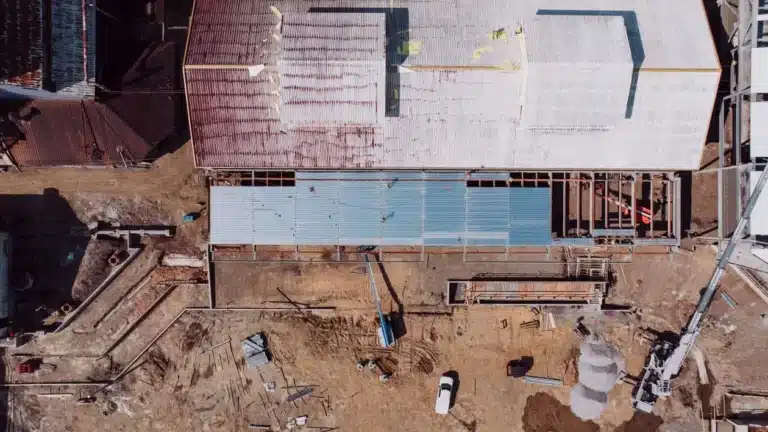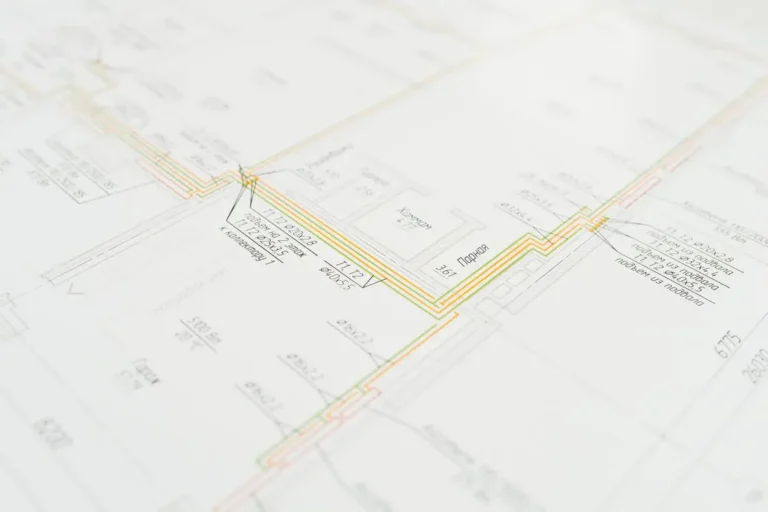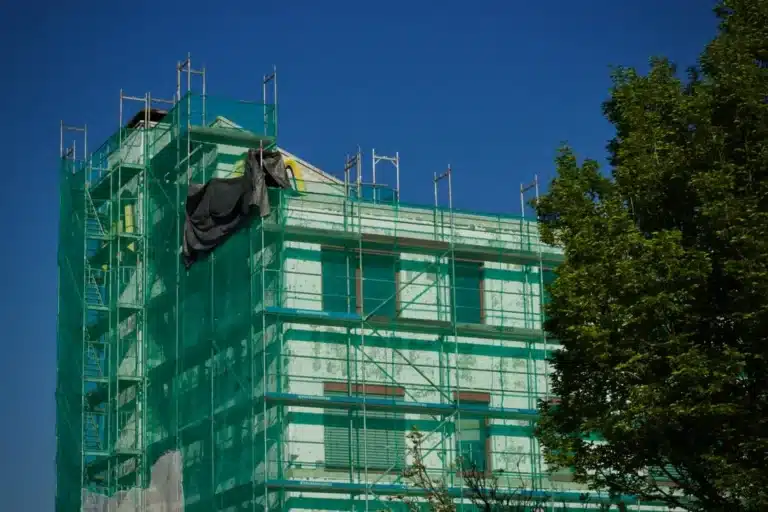

Commercial roofing project management moves through six phases: assessment, system selection, planning, installation, inspection, and warranty management. This guide covers the tear-off versus recover decision, code compliance, QA versus QC oversight, and warranty protection for building owners.
Most commercial roof leaks occur at penetrations and terminations where building systems meet the membrane. This guide covers how MEP coordination failures at rooftop equipment, drains, and flashing contribute to recurring roof problems, warning signs to check, and remediation considerations.
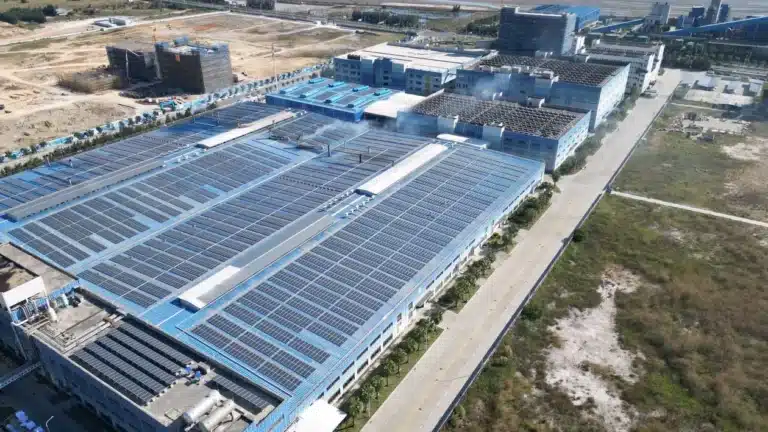
Rooftop solar can alter roof warranty status, add structural loads requiring stamped documentation, and create capital costs when roof and panel service lives mismatch. This guide covers what building owners should evaluate before committing to a commercial array.
Reflective roof coatings typically cost a fraction of full replacement and can defer it when the substrate is dry and at least five years of service life remain. This guide covers retrofit eligibility, code requirements, incentives, and reserve planning for commercial properties.
Weatherization reduces uncontrolled air and moisture movement through the building envelope. This guide covers how it differs from insulation, the warning signs, energy audit levels, ventilation risks, and the compliance and tax factors shaping commercial projects.
Under the 2025 NYC Energy Conservation Code, full window replacement is treated as an alteration that must meet current fenestration thresholds, while glass-only work follows repair provisions. This guide covers degradation signs, costs, code paths, and component choices for commercial projects.
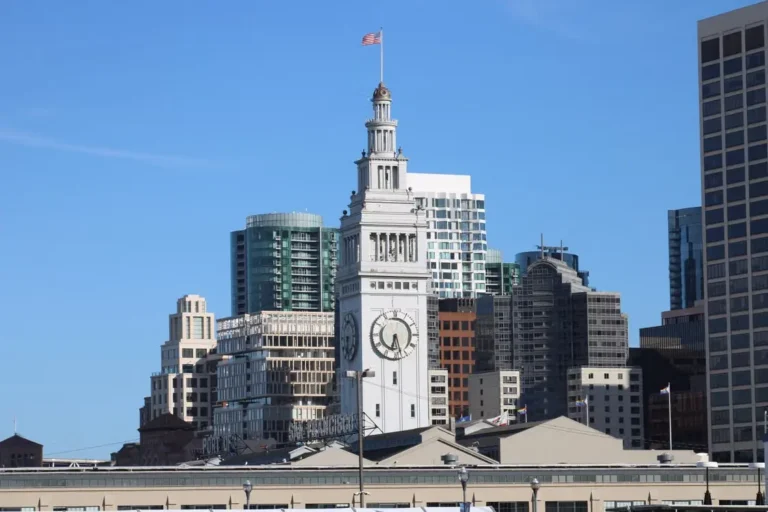
California commercial buildings over 50,000 square feet must report energy use annually by June 1 under AB 802, while Title 24 applies when a building permit is pulled. This guide covers state benchmarking, the 2025 Energy Code, CALGreen, and local rules in Los Angeles, San Francisco, and Berkeley.
Climate resilience planning helps commercial property owners assess hazard exposure, document building conditions, and prioritize capital needs before risks escalate.
In New York City, the pressure to create housing and revitalize aging commercial stock has made one strategy increasingly attractive: building up. Vertical additions, sometimes…
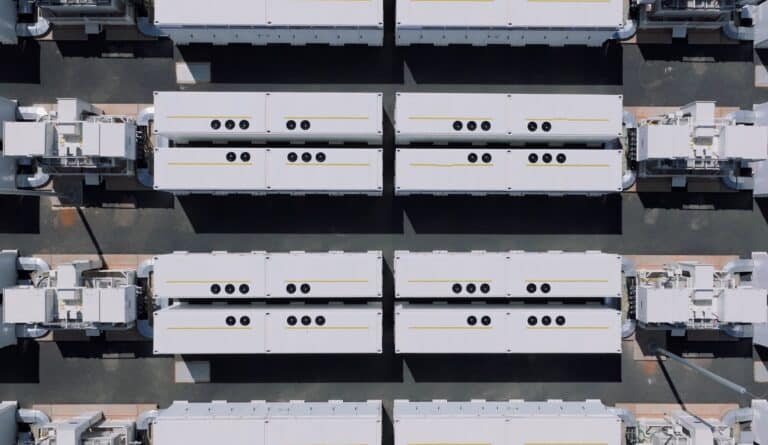
Battery energy storage systems (BESS) deployed in seismically active regions face two primary risks: No single standard governs BESS seismic performance. Instead, safe deployment draws…
Smoke control systems keep exit routes survivable during fires. Learn how they work, when they’re required, and what compliance obligations building owners face.