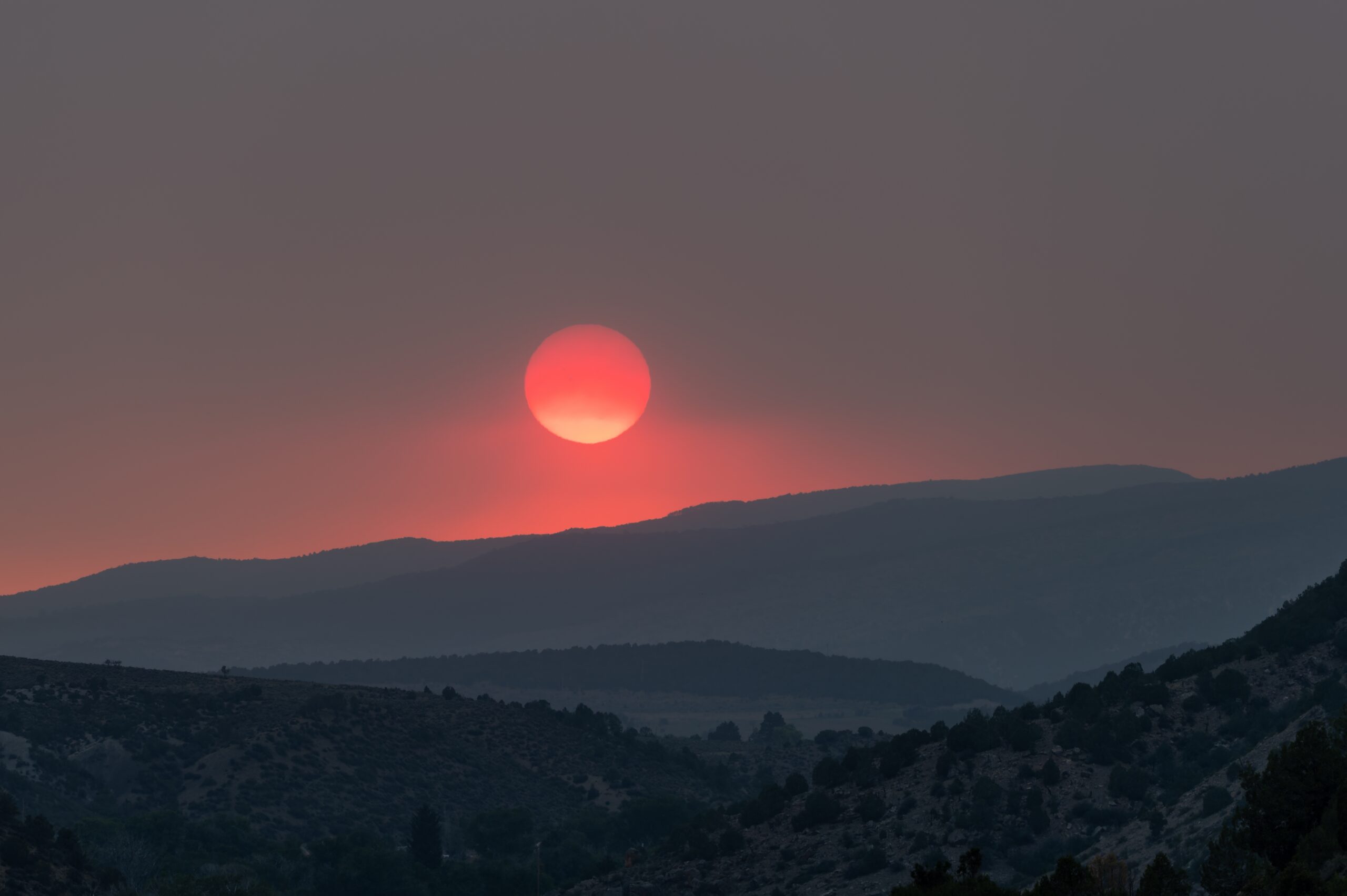

Wildfires Move Fast. So Do We.
When wildfire losses mount, you need forensic answers quickly.
Rimkus deploys credentialed experts to the field from our 70+ offices across the United States to deliver the data and professional expert findings needed to resolve claims, support coverage decisions, and manage exposure.
Why Wildfire Claims Are Different
Wildfire losses are rarely simple. Damage extends well beyond the burn zone, claims touch many disciplines at once, and the teams handling them face three pressures together.
Compliance
Carriers have to do right by policyholders while staying inside contract and regulatory requirements. The core questions are whether there is a covered loss and what that loss is worth.
Responsiveness
Multiple parties compete for access to the same loss sites. Delays in reaching a scene mean delays in forensic data, reporting, and resolution.
Risk and Exposure
Managing exposure depends on defensible facts gathered early, from real rebuild costs to the reach of indirect damage.
The loss reaches further than the fire
Wildfire damage is not limited to what burns. Smoke and soot can affect structures and interiors well beyond the fire perimeter, including HVAC systems, and post-fire events such as heavy rain, mudslides, and slope instability can drive related claims. Knowing the full reach of a loss is the first step to handling it correctly.
What Our Experts Are Watching This Wildfire Season
Our experts track the national fire outlook so your teams don’t have to. Here is how Rimkus’ expert Meteorology team reads the current picture for the 2026 season, and what it means for the exposure you are managing.
The 2026 outlook points to an active western season. Snowpack ran far below normal through the spring, drought still covers roughly 61 percent of the country, and a developing El Niño is expected to shape conditions into the fall.
The result is an earlier and longer window of elevated fire potential across much of the West, with the heaviest concentration building in the Northwest and northern Rockies as summer progresses.
U.S regional significant wildfire risk, July through October 2026
|
Region |
July |
August |
September |
October |
|
|---|---|---|---|---|---|
|
Northwest |
Above Normal |
Above Normal |
Above Normal |
Normal |
|
|
Northern California |
Above Normal |
Above Normal |
Above Normal |
Normal |
|
|
Southern California |
Near Normal |
Normal |
Normal |
Normal |
|
|
Great Basin |
Above Normal |
Above Normal |
Above Normal* |
Normal |
|
|
Southwest |
Above Normal* |
Normal |
Normal |
Normal |
|
|
Northern Rockies |
Above Normal* |
Above Normal |
Above Normal* |
Normal |
|
|
Rocky Mountain |
Above Normal* |
Above Normal* |
Normal |
Normal |
|
|
Eastern Area |
Normal |
Normal |
Normal |
Normal |
|
|
Southern Area |
Above Normal* |
Above Normal* |
Normal |
Normal |
|
|
Alaska |
Normal |
Normal |
Normal |
Normal |
*Above normal risk is localized within the region (see detailed regional notes below)
Key takeaways
- Northwest & Great Basin:
- Above normal fire potential through September, driven by persistent drought, rapid fuel curing, and warm/dry conditions. Some areas (e.g., northwest Washington, west-central Oregon) have elevated risk due to insufficient rainfall and deep drought.
- Northern California:
- Above normal risk in mountainous and eastern areas July–September; normal risk near the coast and Sacramento Valley. Risk returns to normal in October.
- Southwest:
- Above normal risk in northern Arizona and northwest New Mexico in July, returning to normal as the monsoon matures and brings increased rainfall.
- Rocky Mountain:
- Above normal risk on the West Slope in July, shifting to southwest Wyoming in August, then returning to normal by September as monsoon moisture increases.
- Southern Area (Carolinas, Florida, Puerto Rico):
- Above-normal risk in the Carolinas and south Florida in July–August due to drought and heat. Risk may persist if tropical activity is subdued.
- Eastern Area:
- Normal risk overall, with only brief periods of elevated danger in drought-affected areas during dry, windy spells.
- Alaska & Hawaii:
- Normal risk expected throughout the outlook period, though localized dry areas in Alaska may see increased activity.
Knowing where and when wildfire potential peaks helps you position resources before the calls come in. Rimkus experts are already located across these regions and ready to mobilize, so you can move from notice to answers without losing time to vendor coordination.
Source: National Interagency Coordination Center, National Significant Wildland Fire Potential Outlook, issued July 1, 2026, covering July through October 2026.
Interpretation by Rimkus experts.
What Does This Outlook Mean for Your Claim?
Rimkus is built to relieve those pressures. Our work maps directly to priorities of speed, defensibility, and recovery.
Accelerate Claim Resolution
Rapid expert deployment and a single integrated team move claims toward resolution without the handoffs that slow things down.
Meet Contract Requirements
We provide the objective findings and valuation that inform your coverage decisions, with scientifically sound documentation you can stand behind.
Validating Exposure
We establish real rebuild costs against surge pricing, assess the reach of indirect smoke and soot damage, and help identify recovery opportunities.
End-to-End Expertise Across the Lifecycle of a Wildfire Claim
Rimkus is a worldwide provider of engineering and technical consulting. Clients choose Rimkus for expert technical support with wildfire losses because we offer a single-source solution to handling any technical challenge a wildfire may bring. Our extensive team means we serve as one partner that can carry a claim from the field through environmental and industrial hygiene analysis, property loss and building consulting, and litigation support – rather than having to coordinate several vendors against the clock.
Founded in 1983, we have supported large, complex wildfire investigations for years, across thousands of claims. Our teams have assisted clients with claims arising from the most significant wildfire events of recent years, including Kincade (CA – 2019); Zogg (CA -2020); Dixie (CA-2021); Marshall (CO-2022); Lahaina (HI-2023); Smokehouse Creek (TX-2024); Eaton and Palisade (CA-2025) fires.
Our clients know they can count on us for timely investigations, clear communication, and scientifically sound solutions to complex problems.
More than 900 credentialed experts
70+
Offices across the United States
45+
Expertise across 45+ disciplines
Close to the Loss, Ready to Respond
Wildfire risk is concentrated, and proximity matters when site access is challenging. Our office network across the Western US and beyond positions our teams to mobilize quickly to loss locations across the highest-risk regions.
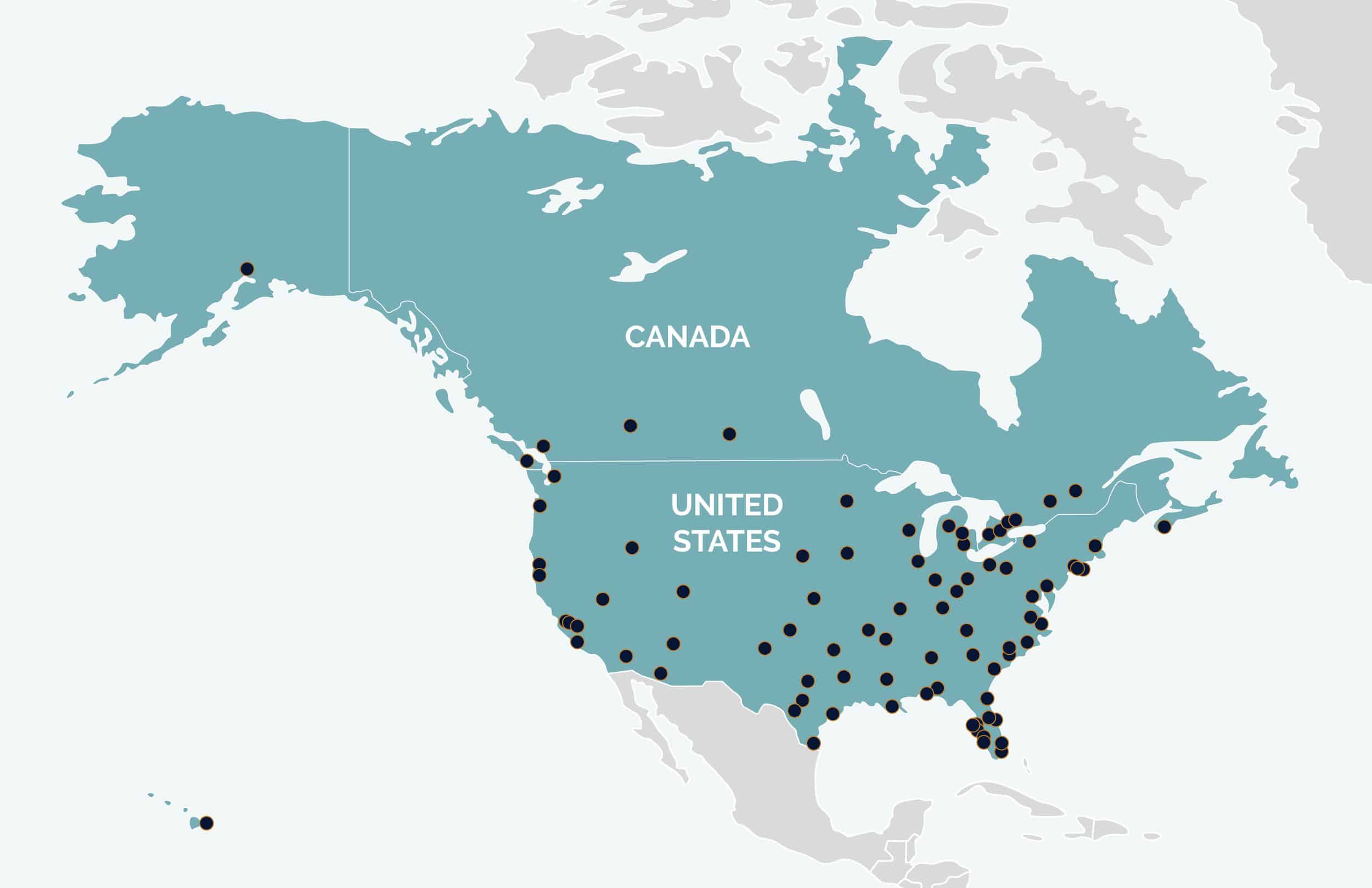
Representative coverage for general awareness only — not operational or evidentiary use.
Services Spanning Your Role in the Claim
For Insurers and Adjusters
For Law Firms
One Partner, From First Notice to Final Resolution
A wildfire claim moves through predictable stages, and the damage reaches further than the fire itself. Rimkus supports every stage, so nothing stalls between vendors.
01
Field Response & Origin and Cause
Rapid deployment, scene access, evidence preservation, and forensic origin and cause investigation.
02
Environmental & Industrial Hygiene
Smoke, soot, and contamination analysis — including HVAC and interiors beyond the burn zone.
03
Property Loss & Building Consulting
Damage assessment, structural review, and repair-versus-replace analysis to document scope.
04
Estimating & Valuation
Real rebuild costs against surge pricing, reserve support, and valuation inputs that clarify exposure early.
05
Litigation & Subrogation Support
Causation analysis, defensible reporting, recovery support, and trial-ready expert testimony.
The Experts Behind the File
Wildfire claims demand specialists, not generalists. Meet the credentialed engineers, scientists, and forensic experts who lead our wildfire work.
Kieran J. Purcell
Director, Environmental Practice
Gregory J. Quinn
Director, Meteorology Practice
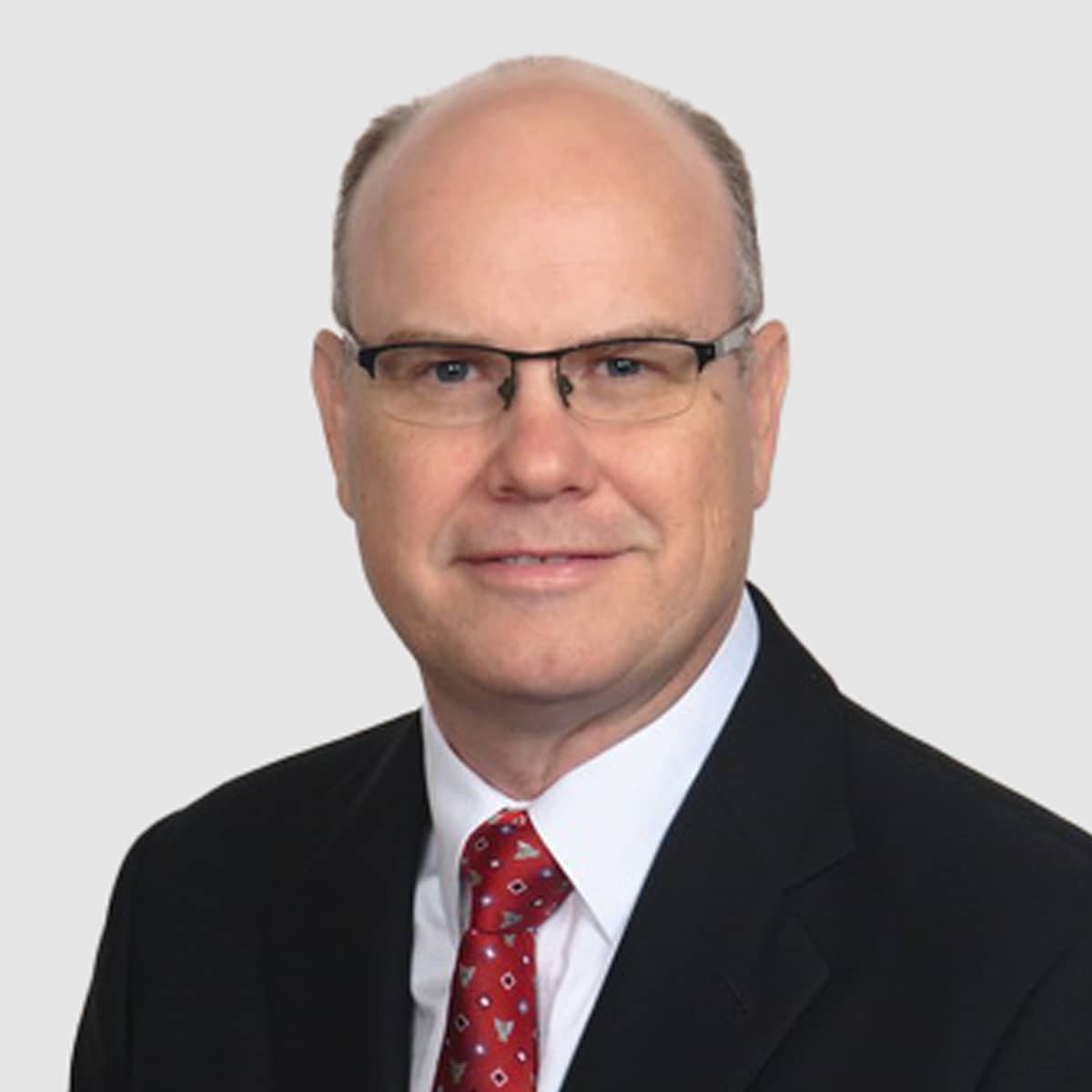
Samuel L. Sharpless
VP, Mechanical and Electrical Engineering
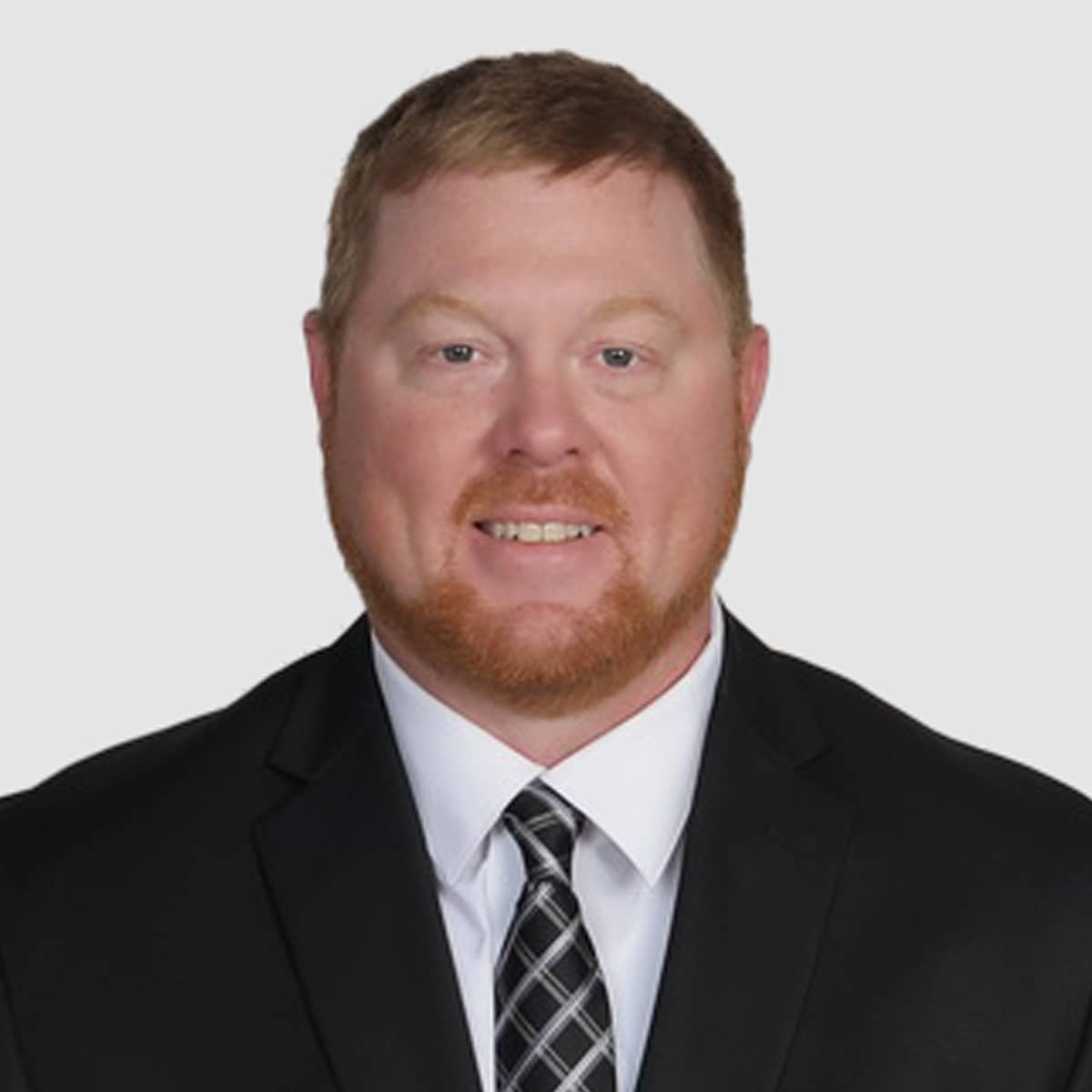
Matthew J. Stevens
Director of Estimating and Mitigation
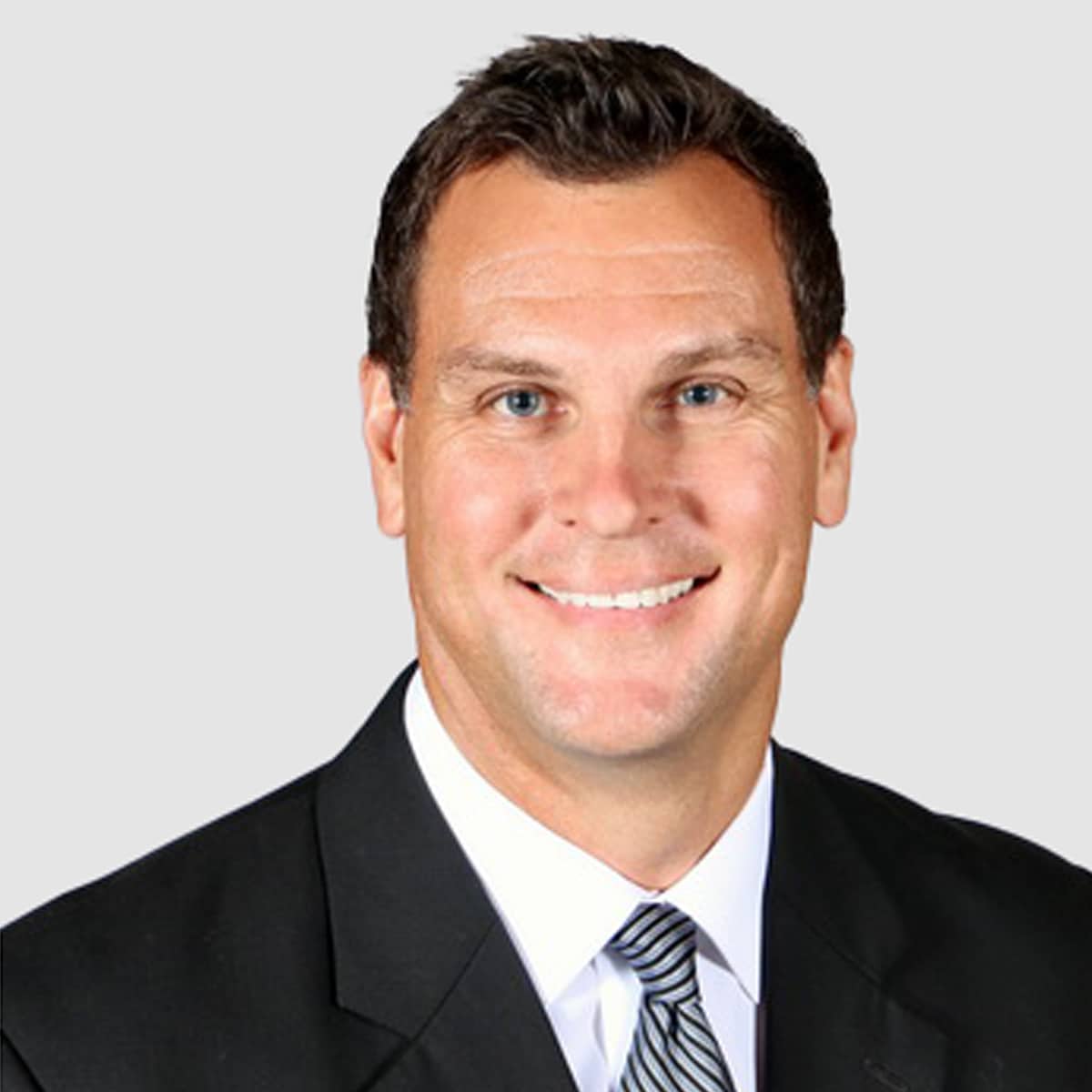
J. Phil Wilbourn, II
Director, Property Practice
Evaluating Structural Damage from Catastrophic Events
Learn how our experts assess fire damage to buildings, including the extent of damage and whether to repair or rebuild, questions at the heart of every wildfire property claim. The session also covers tornadoes, hail, hurricanes, and earthquakes, showing the full range of catastrophe expertise Rimkus brings.
Presented by Brad Miller, Senior Practice Leader, Property Practice at Rimkus.
Frequently Asked Questions
Talk to a Wildfire Claims Expert
Whether you have a wildfire loss to investigate or want to plan ahead for the season, reach out and we will connect you with the right expert. Many clients engage Rimkus early for pre-event strategy, then rely on us for rapid response when events occur.